Executive Summary
Nexus Darknet operates as an encrypted hidden service accessible exclusively via the Tor network. Established by an anonymous collective of developers, it has grown to become a prominent venue for the exchange of digital goods, specialized software, and data archives. The platform is notable for its minimalist design philosophy and adherence to strict operational security protocols.
By combining decentralized infrastructure with modern cryptography, Nexus Darknet aims to provide a resilient environment resistant to surveillance and censorship. Independent observers consistently note its high uptime and methodical approach to mitigating distributed denial-of-service (DDoS) interruptions.
Historical Timeline
Inception & Launch
Phase 1
The concealed network first emerged with early beta testing nodes. Core infrastructure was established prioritizing an encrypted communications layer. Initial digital goods listings were strictly moderated to test load handling.
Infrastructure Overhaul
Phase 2
To combat increasing traffic and external pressures, the routing architecture was entirely rewritten. The introduction of synchronized clock challenges and custom captcha endpoints significantly improved resilience against automated bots.
Modern Environment
Phase 3
Implementation of a multi-currency BTC XMR LTC framework. The integration of walletless pay mechanisms enabled direct transactions, eliminating the need for centralized, vulnerable platform-held balances.
Technical Architecture
> Cryptography
Mandatory PGP encryption ensures all private communications and delivery details remain obfuscated from platform administrators. Two-factor authentication (2FA) is enforced via PGP decryption challenges.
> Financial Routing
Supporting a BTC XMR LTC ecosystem, the platform heavily favors Monero (XMR) for its inherent privacy features. The system utilizes multi-signature escrow, requiring cooperation between multiple parties to release funds.
> Walletless Pay System
Unlike traditional architectures that require users to deposit funds into a centralized platform wallet, Nexus Darknet employs a walletless paradigm. Orders generate unique, expiring addresses, mitigating the risk of large-scale financial losses if the platform is compromised.
Platform Interface Preview
Fig 1. DDoS Protection Screen
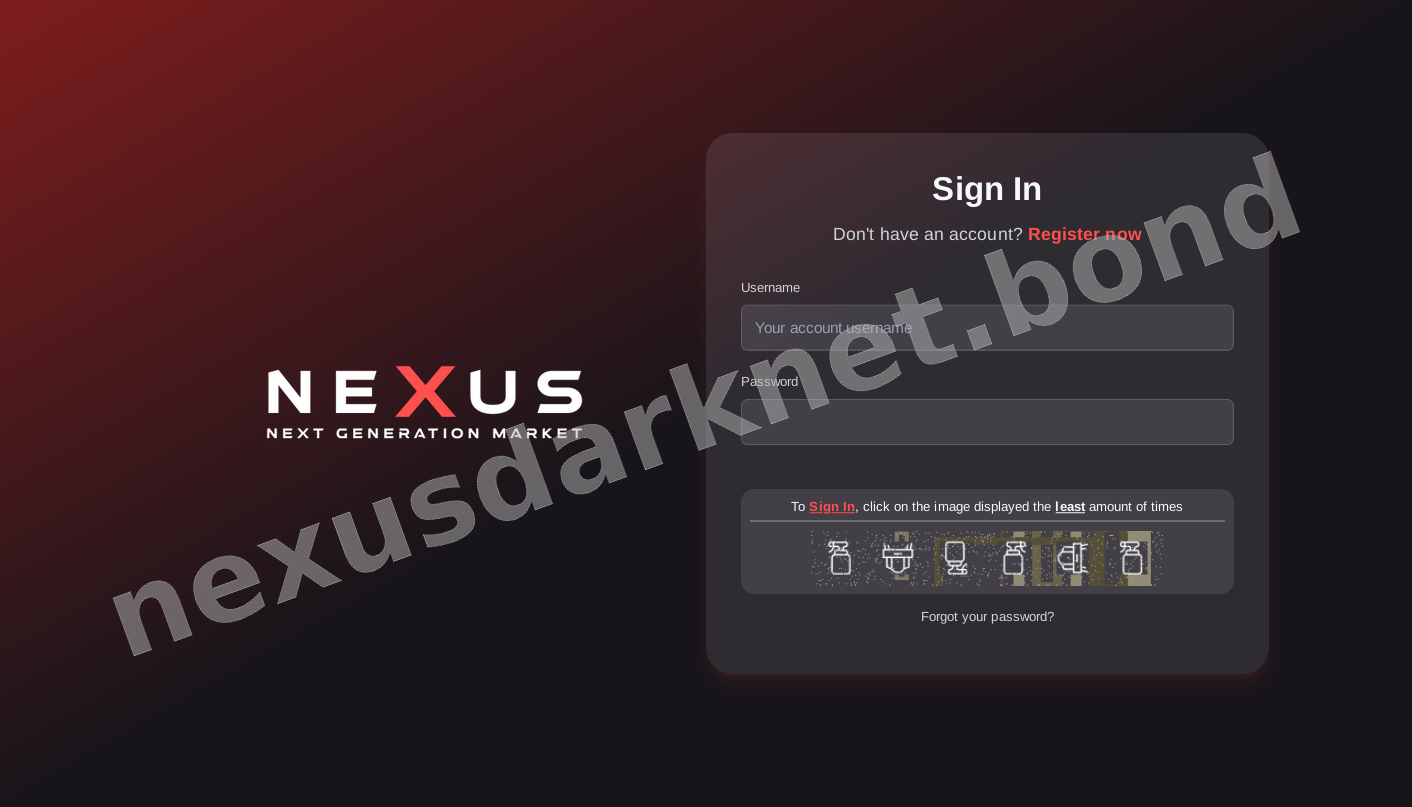
Fig 2. User Login Interface
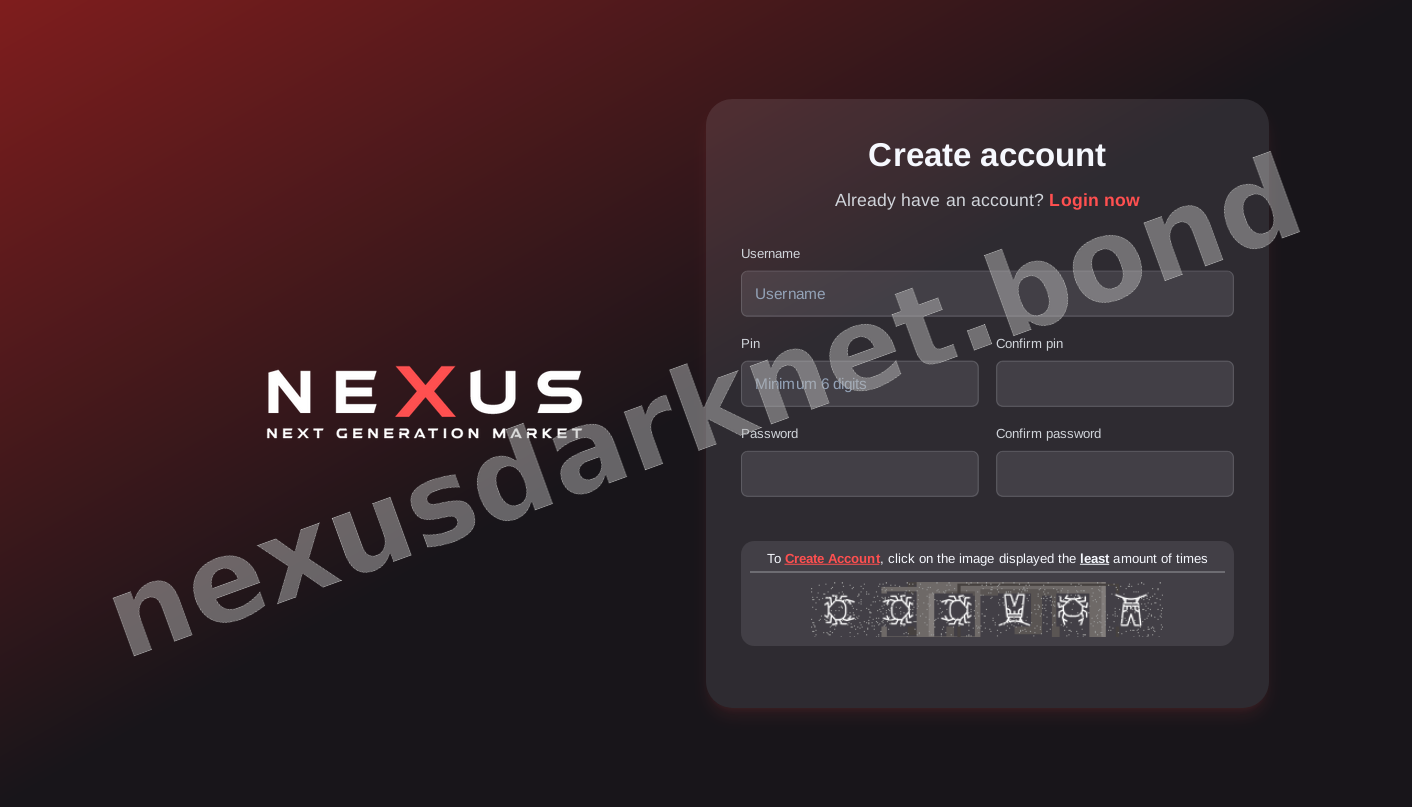
Fig 3. Account Registration Page
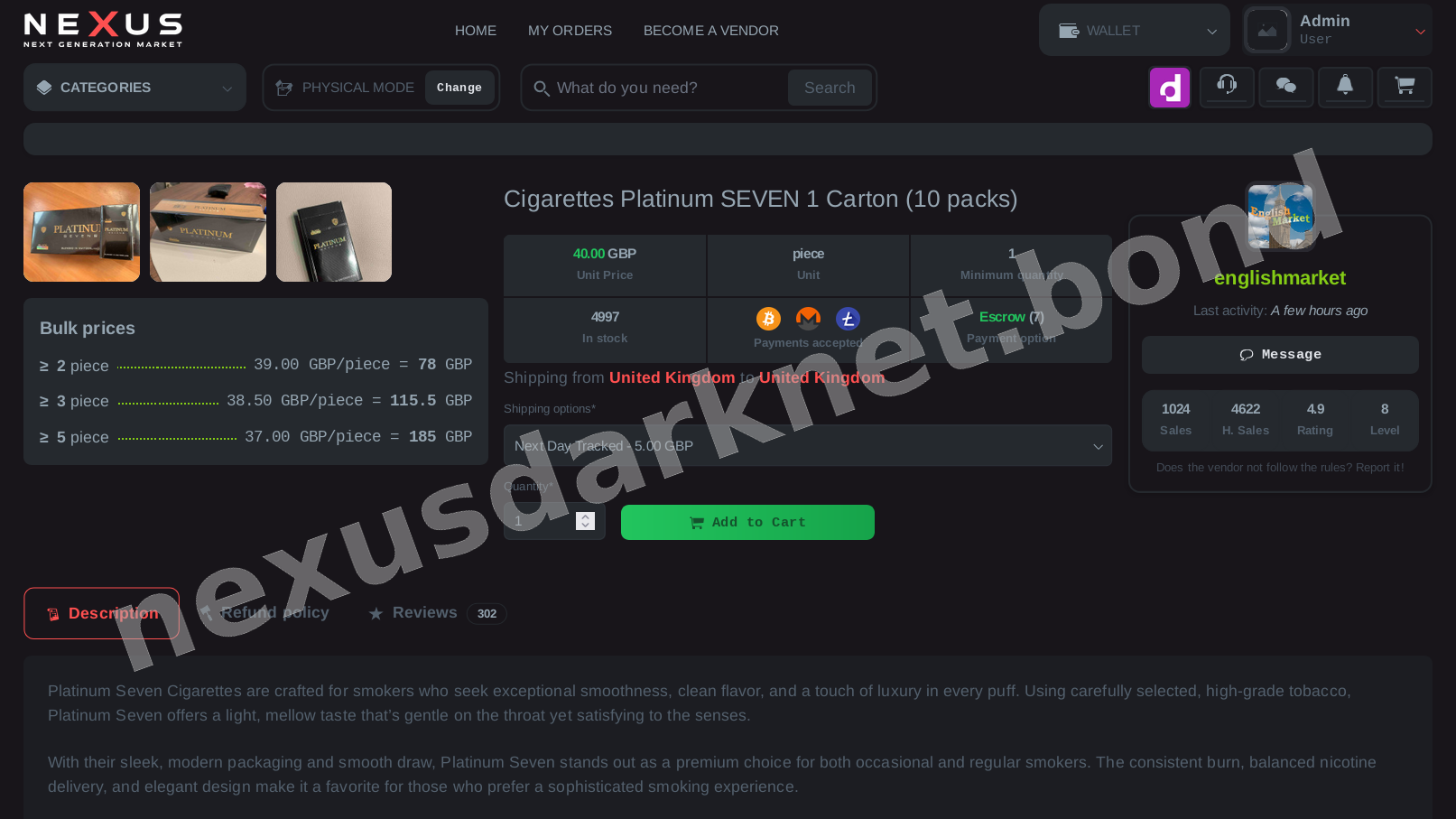
Fig 4. Main Market Dashboard